
Apple has implemented changes impacting iOS apps in Japan to comply with the Mobile Software Competition Act (MSCA).
These updates create new options for developers to distribute apps on alternative app marketplaces and to process app payments for digital goods and services outside of Apple In-App Purchase.
Across these changes, Apple has worked to reduce new privacy and security risks the law creates to provide users in Japan the best and safest experience possible.
The MSCA’s requirements for alternative app marketplaces and app payments open new avenues for malware, fraud and scams, and privacy and security risks.
Apple has worked with Japanese regulators to introduce protections from new threats — including important safeguards for younger users. These protections include Notarization for iOS apps, an authorization process for app marketplaces, and requirements that help protect children from inappropriate content and scams.
While these safeguards do not eliminate the new risks, they are essential to Apple’s work to ensure iOS remains the best, most secure mobile platform available in Japan. Apple says it will continue to engage with regulators on strengthening protections for iOS users.
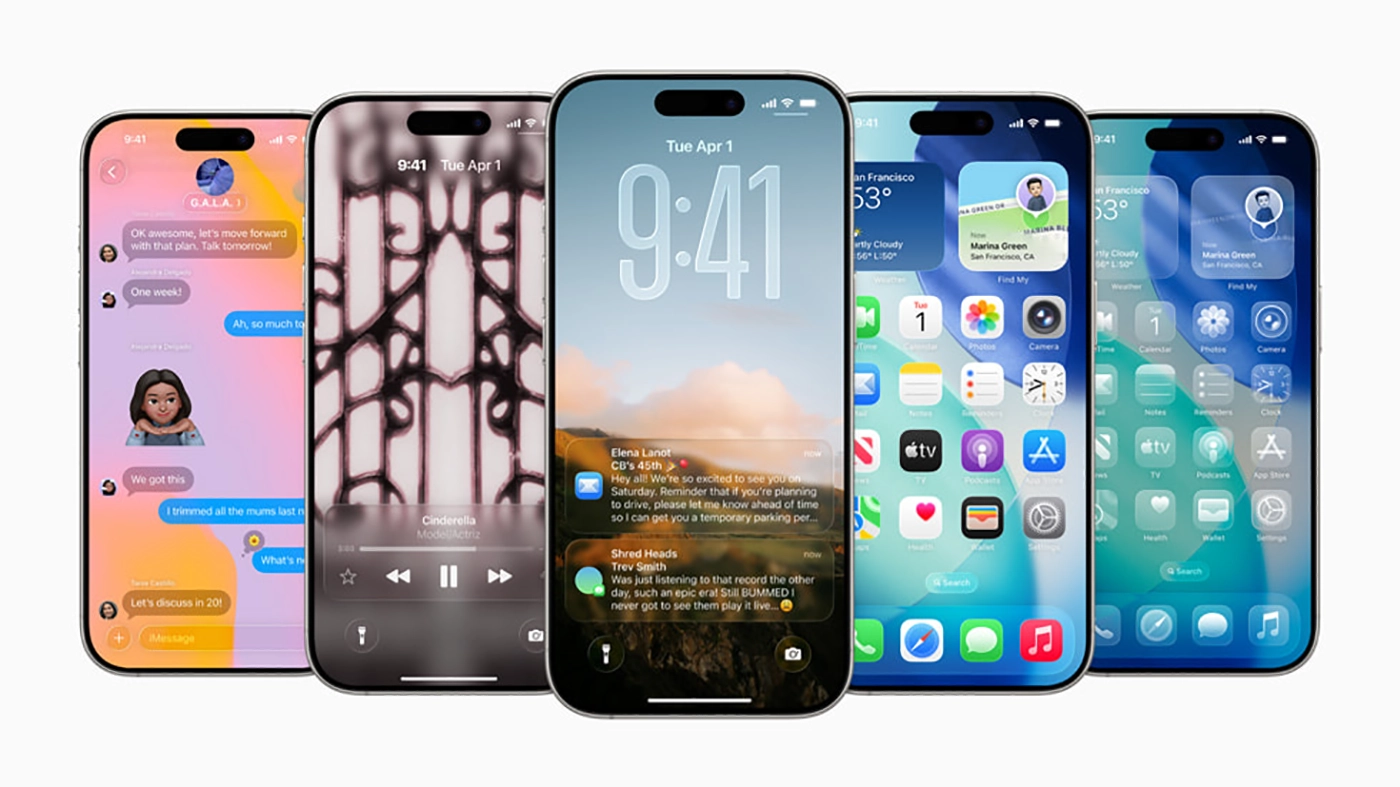
Developers can integrate the new capabilities into their apps beginning today as part of the iOS 26.2 release.
New Options for Developers to Distribute Apps on iOS in Japan
The App Store remains the best place for iOS users in Japan to discover and download the apps they love. This includes App Store features that protect users against fraud and scams and empower parents to ensure their kids have age-appropriate experiences.
However, with the MSCA’s new requirements, developers will also have the option to distribute iOS apps in Japan using alternative app marketplaces other than the App Store.
Alternative app marketplaces will have to be authorized by Apple and will need to meet ongoing requirements to serve developers and users.
As Apple points out, apps downloaded outside the App Store will not benefit from the same protections Apple provides through App Review, introducing new risks for apps that contain scams, fraud, and abuse, or that expose users to illicit, objectionable, or harmful content not allowed on the App Store.
To reduce some of these new risks, Apple will conduct a baseline review — called Notarization — that applies to all iOS apps and focuses on basic functionality and protecting users from serious threats. This Notarization process involves a combination of automated checks and human review, and helps ensure apps function as promised and are free of known malware, viruses, or other security threats.
However, Notarization is less comprehensive than the App Review process that applies to all apps on the App Store.
New Options for Payments in App Store Apps on iOS
On the App Store, users in Japan can continue to use Apple In-App Purchase to buy digital goods and services, manage subscriptions, request refunds, and view their payment history.
To comply with the MSCA, Apple is sharing tools that enable developers to offer more ways for users to purchase digital goods and services in apps on the App Store. For their iOS apps distributed on the App Store in Japan, developers will be able to include an alternative payment processing method in their app and/or link users to a website to complete a transaction.
These alternative payment options will always be presented alongside Apple In-App Purchase, so that users in Japan are clear on when they are transacting through Apple. When users choose to pay with Apple In-App Purchase, they’ll continue to receive familiar protections and tools like refund support, subscription management, and Report a Problem.
App Store users’ purchase history and subscription management will only reflect transactions made using Apple In-App Purchase.
For apps that use alternative payment processing or link users to the web for transactions, Apple will not be able to issue refunds and will have less ability to support customers encountering issues, scams, or fraud. Users may need to share their payment information with additional parties, which can introduce new privacy and security risks.
Distributing on alternative app marketplaces
An alternative app marketplace is an app whose primary purpose is discovery and distribution of notarized iOS apps. To distribute your app on an alternative app marketplace in Japan, you’ll use App Store Connect and the App Store Connect API to complete tasks, such as:
- Registering the alternative app marketplace and providing your Developer ID.
- Adding the marketplace token (provided to you by the marketplace).
- Selecting which of your apps are eligible for alternative distribution.
- Sending notifications to the marketplace when updates are available.
If you distribute your app on an alternative app marketplace:
- App Store functionality like Apple In-App Purchase is not available.
- The sale of digital goods or services from your app are subject to a Core Technology Commission (CTC).
Operating an alternative app marketplace
In Japan, developers can build an alternative app marketplace to distribute notarized iOS apps. Based on specific criteria and ongoing requirements that help protect users and developers, authorization from Apple is required to operate an alternative app marketplace.
Authorized developers have access to marketplace capabilities that enable them to securely receive notarized apps from other Apple Developer Program members, allow users to download and install marketplace apps from their website, integrate with system functionality, back up and restore users apps, and more.
Updated Business Terms for iOS Apps in Japan
To reflect these options for app distribution and payment processing, Apple is sharing updated business terms for developers’ iOS apps in Japan. These business terms reflect the many ways Apple creates value for developers’ apps, whether or not they use the App Store and/or Apple In-App Purchase.
Under the business terms for iOS apps in Japan, Apple will continue to only charge a commission on the sale of digital goods and services. The new terms include:
- App Store commission: iOS apps on the App Store will pay a reduced commission of either 10 percent for the vast majority of developers — including members of the Small Business Program, Video Partner Program, Mini Apps Partner Program, and for subscriptions following their first year — or 21 percent on transactions for digital goods and services. The App Store commission reflects the value of the tools, technology, and services that enable developers to create apps, in addition to App Store distribution, discovery, and ongoing services.
- Apple payment processing fee: In their iOS apps on the App Store, developers can process payments using Apple In-App Purchase for an additional 5 percent fee.
- Store services commission: iOS apps on the App Store will pay a commission of 15 percent on transactions for digital goods and services made on a website linked to by the developer’s app. Developers in the programs mentioned above, and subscriptions following their first year, will pay a reduced rate of 10 percent.
- Core Technology Commission: iOS apps distributed outside of the App Store will pay a 5 percent commission on the sale of digital goods and services, including paid apps. The Core Technology Commission compensates Apple for the tools, technologies, and services that enable developers to build and share their apps with iOS users.
Under these new business terms, developers that sell digital goods and services in Japan will pay Apple the same or less than they do today. Developers that do not sell digital goods and services will continue not to pay Apple any commissions or fees.
Impacts to Kids’ Online Safety
With the changes introduced under the MSCA, the new options for alternative distribution and payment methods may expose children to new risks. For instance, apps downloaded from outside the App Store may include illicit and objectionable content, and they will not undergo the same rigorous review process Apple employs to evaluate apps made for children on the App Store.
Similar regulatory changes in Europe have enabled types of apps that were previously unavailable on iOS, including pornography apps.
In an effort to reduce new risks of fraud or scams targeting children, Apple has worked with regulators in Japan to preserve some guardrails, including:
- Apps in the Kids category on the App Store will not include links to websites to complete transactions, to reduce the risk of fraud or scams targeting children.
- For users under 18 years old, all apps from the App Store that use alternative payment processing or link to a website for transactions must include a parental gate that requires younger users to involve their parent or guardian before making a purchase.
- For users under 13 years old, apps from the App Store cannot link to websites for transactions to protect against the risk of scams that target younger kids.
- Apple is also working to provide developers using alternative payments with a new API so they can enable parents to monitor and approve purchases made outside of Apple In-App Purchase.
Developers must also continue to provide age ratings for their apps, whether their app is distributed on the App Store or an alternative app marketplace.
Additional Updates to iOS
Alongside the new app distribution and payment options, Apple has introduced additional controls and choices for users in Japan with the release of iOS 26.2. These include:
- A browser choice screen and search engine choice experience, giving users in Japan new ways to pick their preferred browser and search engine.
- Default controls for navigation apps and app marketplaces.
Across these controls, users can review and adjust their choices at any time in Settings.
For developers, Apple is sharing tools in addition to the new options for alternative distribution and app payments, including:
- New options for developers of browser apps to use alternative browser engines other than WebKit, with strict security and privacy requirements.
- A new API that enables developers of voice-based conversational apps to provide users the option to launch their app with the iPhone side button.
- A process to request interoperability with core technologies in iPhone and iOS.