A three-judge panel in California has ruled that Apple Store staff should be paid for time spent waiting to undergo the company's bag checks, in the the latest turn in a class action Apple has been battling for seven years, fending off retail workers that asked to be paid for up to 45 minutes spent at the end of their shift waiting to be searched.
Walmart and Microsoft are teaming up in a bid to acquire TikTok, in a deal that would give the retail company a key technology to reach younger shoppers and build out its third-party marketplace and advertising business.
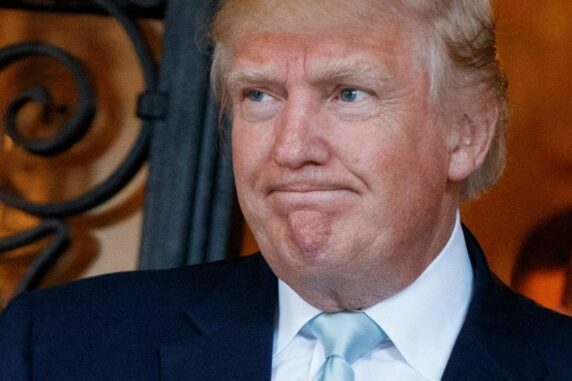
President Donald Trump signed an executive order on August 6 that would ban the TikTok app from the U.S by mid-September. TikTok has now officially filed a lawsuit against the U.S. government, saying the order violates due process and exceeds the scope of sanction rules.
An Android app developer has sued Google for allegedly anti-competitive and unlawful practices related to its Google Play app store, and attorneys say its behaviour – which gives rise to U.S. Android developers having to pay it exorbitant fees – constitutes violation of federal antitrust laws, according to Hagens Berman.
The Trump administration is further tightening restrictions on China's Huawei, seeking to starve it of crucial components by cutting off all access to U.S. technology.
In the United States, President Trump has issued an executive order looking to force China's ByteDance to divest its U.S. operations in TikTok within 90 days, in another twist to his never-ending feud with China.
Qualcomm is reportedly asking the United States government to let the semiconductor outfit sell its Snapdragon processors to Huawei, which would then be placed into 5G-capable handsets.
President Trump said he would ban TikTok from the US Friday, which put ongoing acquisition discussions between Microsoft and TikTok parent company ByteDance on hold.
In the United States, President Trump has said he will take action to ban TikTok from the US. It comes after United States intelligence bosses fear the popular Chinese-owned video app presents a possible national security risk.
RigNet has teamed up with CACI International (CACI) on CACI’s SteelBox Secure Voice and Text App for government users.
The U.S. Federal Communications Commission (FCC) has officially designated Chinese telecommunication providers Huawei and ZTE as national security risks, a decision that officially prohibits American phone companies from purchasing their equipment with government subsidies.
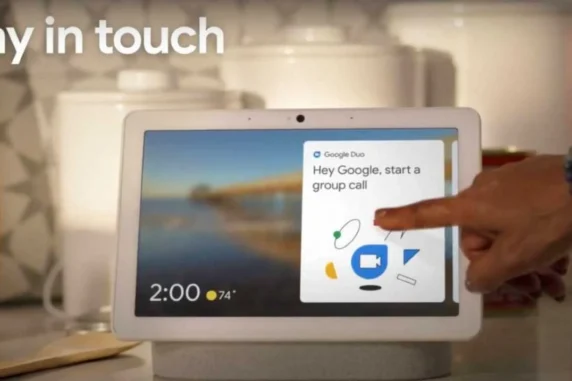
Users in the U.S. will now be able to start and join group video calls and meetings on both Duo and Google Meet using their Nest Hub Max.